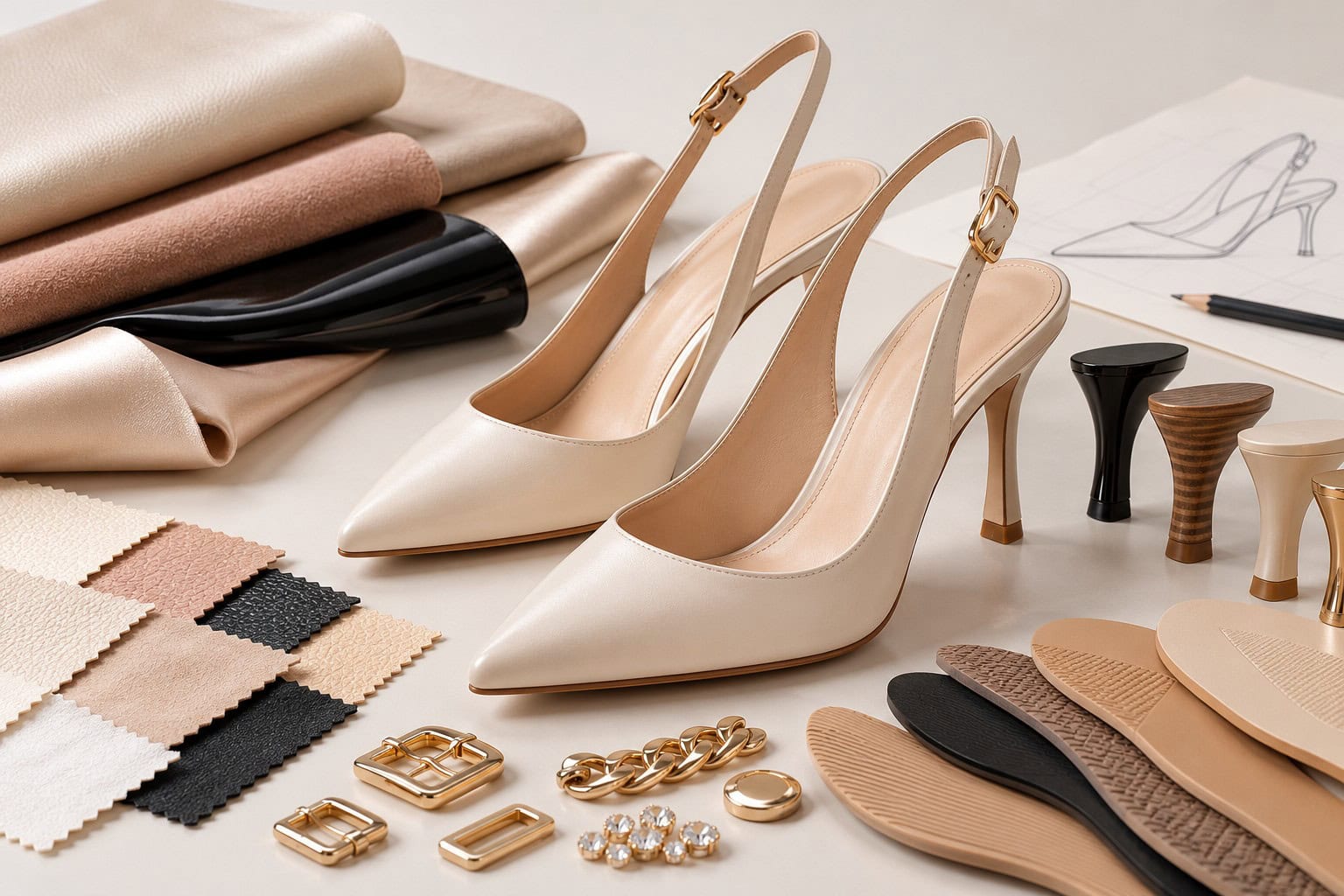
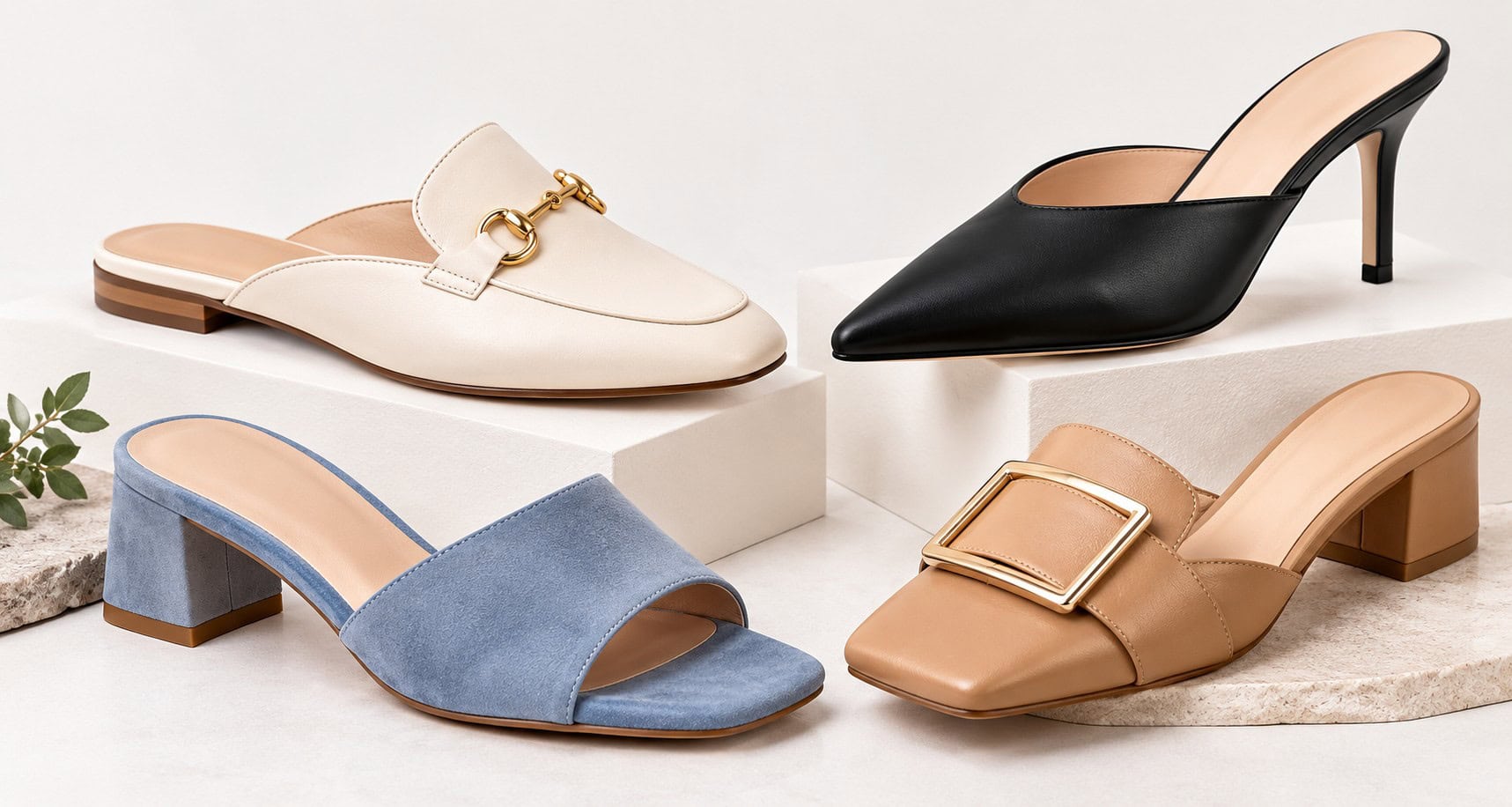
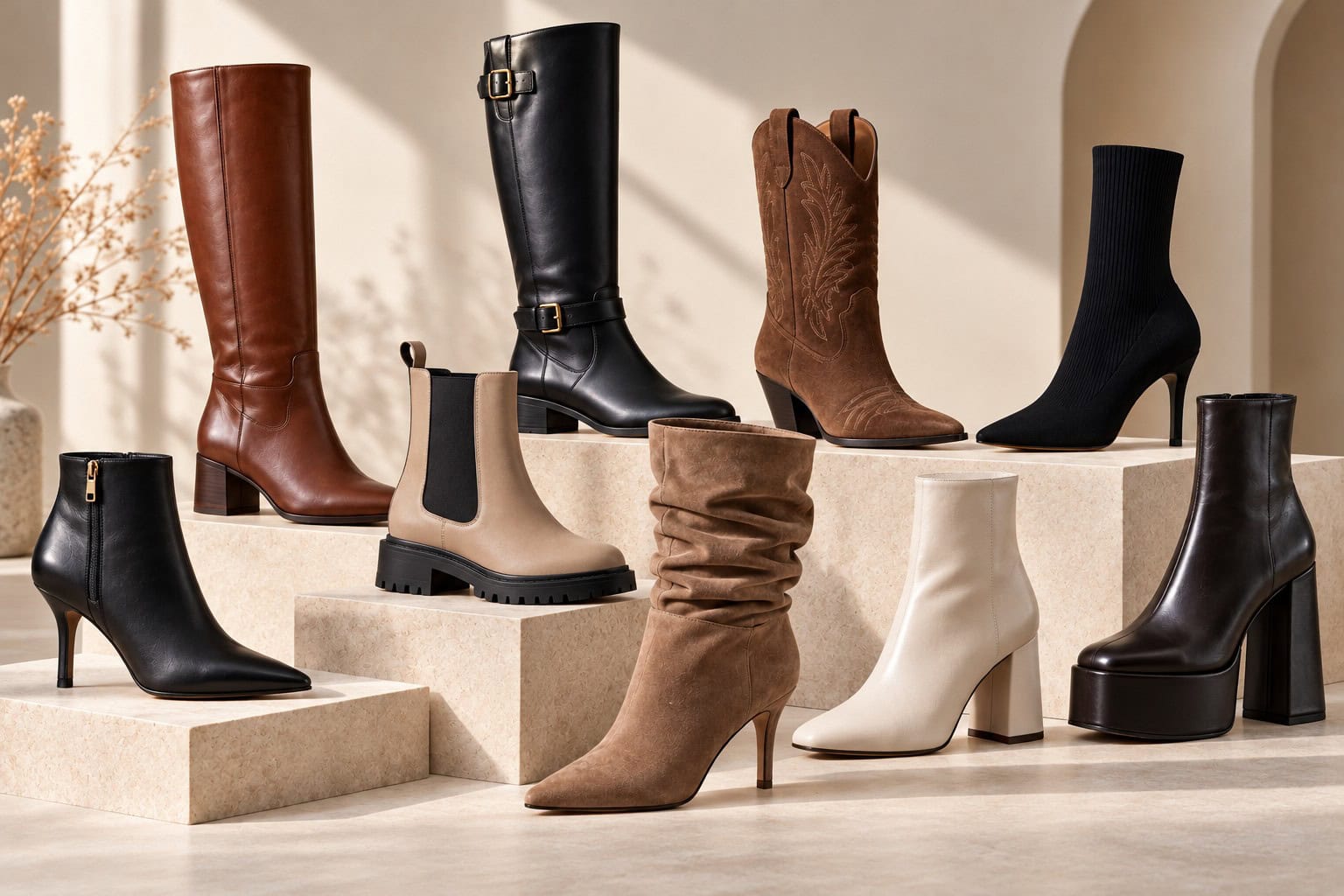
If you have an idea for a new shoe but don’t have a complete tech pack, you may be wondering: can a shoe factory make shoes from a picture or sketch?
The answer is yes.
An experienced custom shoe manufacturer can often start developing a new design from a reference picture, hand drawing, digital sketch, mood board, or physical shoe sample.
For many new footwear brands, this is actually how the development process begins.
However, turning a two-dimensional picture into a comfortable, production-ready shoe involves much more than simply copying what appears in the image. The manufacturer needs to translate your visual concept into technical details such as the shoe last, construction, materials, outsole, heel, sizing, hardware and branding.
In this guide, we’ll explain how brands can make shoes from a picture or sketch, what information a shoe factory needs, and how the process moves from an initial idea to a physical sample and eventually bulk production.
Can You Make Shoes From a Picture or Sketch?
Yes. A professional shoe factory can usually begin development from a clear picture or sketch.
You might have:
- A hand-drawn shoe design
- A digital illustration
- Reference photos
- A mood board
- Photos showing different design details
- A physical reference shoe
- An idea without a finished tech pack
These can all provide a starting point.
For example, you might like the toe shape in one picture, the heel in another and the strap construction in a third. You can send all three images to the manufacturer and clearly indicate which features you want to incorporate into your own design.
The more clearly you communicate your idea, the easier it is for the development team to understand the product you want to create.
Do You Need a Tech Pack Before Contacting a Shoe Factory?
Not always.
If you are preparing your first footwear project, you can also read our Shoe Tech Pack Guide for Custom Footwear Manufacturing to understand what information is useful before sample development.
A detailed footwear tech pack is extremely useful because it provides technical information about measurements, materials, colors, construction and components.
However, you don’t necessarily need to wait until you have a perfect tech pack before contacting a manufacturer.
Many startup brands begin with a sketch or reference image.
During the initial discussion, the factory can review your concept and identify what additional information is required before sampling.
At a minimum, try to provide:
| Information | Example |
|---|---|
| Shoe style | Pumps, sandals, boots, loafers, flats |
| Design reference | Sketch, picture or physical sample |
| Upper material | Leather, PU, microfiber, textile |
| Color | Black, red, beige or custom color |
| Heel | Block heel, stiletto, flat |
| Outsole | Existing outsole or custom design |
| Size range | EU 36–42, US 5–11, etc. |
| Width | Standard, wide or extra wide |
| Branding | Insole logo, outsole logo, hardware |
| Quantity | Estimated first production quantity |
| Target market | USA, UK, Europe, etc. |
Don’t worry if you don’t know every detail yet. Part of the development process is turning your initial concept into clear manufacturing specifications.
How Does a Shoe Factory Make Shoes From a Picture or Sketch?
The development process normally involves several stages.
A reference picture communicates the visual idea, but the factory still needs to determine how that design will actually be constructed.
1. Review the Shoe Design
The first step is to review your reference images or drawings.
The development team will look at elements such as:
- Toe shape
- Heel height
- Upper pattern
- Straps
- Outsole construction
- Materials
- Hardware
- Decoration
- Overall proportions
This is also the stage when the manufacturer should identify any design features that may be difficult, expensive or impractical to manufacture.
An experienced factory should not simply say “yes” to everything. It should also suggest practical solutions when a design needs adjustment.
2. Confirm or Develop the Shoe Last
The shoe last is one of the most important parts of footwear development.
It influences the shoe’s:
- Shape
- Toe profile
- Width
- Instep
- Fit
- Overall proportions
A beautiful drawing does not contain enough information to determine these details accurately.
Depending on your design, the manufacturer may be able to use or modify an existing last. For a unique shape, special fitting requirement, wide width or extended size range, new last development may be necessary.
If your design requires a unique toe shape, special fitting, plus sizes or wide widths, learn more about how to develop a custom shoe last for women’s shoes.
According to SATRA, last dimensions and shape play an important role in the fit and final shape of footwear.
External link:
SATRA – Measuring Feet, Lasts and Footwear
3. Choose the Outsole and Heel
Next, the manufacturer needs to determine which outsole and heel construction will work with your design.
There are generally two possibilities:
Use an existing outsole
This can reduce development cost and lead time, which may be particularly useful for startup brands or smaller first orders.
Develop a custom outsole
If the outsole has a unique shape, pattern, logo or construction, custom tooling may be required.
For women’s high heels, the last, heel height, outsole and overall construction need to work together correctly.
A picture may show the appearance you want, but the factory still needs to make sure the components are technically compatible.
4. Select the Right Shoe Materials
When you make shoes from a picture or sketch, the picture can show the desired appearance, but it cannot always tell the factory exactly what material should be used.
A similar visual effect might be achieved with:
- Cow leather
- Sheepskin
- Patent leather
- Suede
- PU
- Microfiber
- Satin
- Mesh
- Other textiles or synthetic materials
Material selection affects much more than appearance.
It can influence:
comfort, durability, flexibility, price, MOQ and production feasibility.
Some special materials or custom colors may also have minimum purchase requirements that are higher than the shoe factory’s production MOQ.
This is why material confirmation should happen before the final sample is approved.
5. Confirm Custom Hardware and Logo Details
Many women’s shoe designs include:
- Buckles
- Metal logos
- Decorative hardware
- Zippers
- Chains
- Ornaments
- Custom heel details
If suitable ready-made hardware already exists, it may be possible to use it for sampling and production.
If you need a completely customized logo buckle or metal accessory, however, a dedicated mold may be required.
Brands should discuss this early because custom hardware can affect development cost, lead time and MOQ.
Branding may also be added to the:
- Insole
- Outsole
- Upper
- Hardware
- Shoe box
- Packaging
Make sure the manufacturer understands which elements need to be customized before sample development begins.
6. Develop the First Shoe Sample
Once the major details are confirmed, the factory can begin making the first physical sample.
This is the point where your two-dimensional concept becomes a real shoe.
The sample allows both the brand and manufacturer to evaluate:
- Overall appearance
- Shape
- Proportions
- Fit
- Materials
- Color
- Heel
- Outsole
- Hardware
- Logo placement
- Construction
For new custom designs, it is normal for the first sample to require some adjustments.
That is exactly why sampling is such an important part of custom footwear development.
For a detailed look at what happens during sampling, see our Custom Women’s Shoe Sample Development Process.
What Happens If the First Shoe Sample Isn’t Perfect?
Don’t panic.
A first development sample is designed to identify what works and what needs improvement.
You may discover that:
- The toe should be slightly sharper or rounder
- The shoe is too narrow
- The strap needs to be shorter
- The heel height needs adjustment
- A material does not create the expected effect
- The logo position needs changing
- The hardware is too large or too small
- The fit needs improvement
The important thing is not whether changes are required.
The important thing is whether the manufacturer can understand your feedback, identify the cause and make the correct modifications.
This is one of the biggest differences between simply finding a low-cost supplier and finding a capable footwear development partner.
After the development sample is revised, brands may also need a final approval sample before production. Learn the difference in our guide to Shoe Development Sample vs Pre-Production Sample.
Picture vs Sketch vs Tech Pack vs Physical Sample
Different brands start at different stages.
| What You Have | Can Development Start? | Information Level |
|---|---|---|
| Reference picture | Yes | Basic |
| Hand-drawn sketch | Yes | Basic–Medium |
| Digital shoe drawing | Yes | Medium |
| Tech pack | Yes | High |
| Physical reference sample | Yes | High |
There is no single starting point that applies to every footwear project.
An established brand may provide a complete tech pack, while a first-time founder may arrive with several pictures and handwritten notes.
Both can potentially begin development.
The difference is how much additional information needs to be confirmed before sampling.
Can a Factory Copy a Shoe Exactly From a Picture?
This is an important distinction.
A picture can be used to communicate design direction, but it does not provide every measurement, construction detail or material specification.
Two shoes that look almost identical in a photograph can have very different lasts, internal structures, materials and fitting characteristics.
There are also intellectual-property considerations.
If you’re using another brand’s product as inspiration, avoid directly reproducing protected logos, distinctive design elements or registered designs.
The World Intellectual Property Organization provides resources for researching registered industrial designs.
For your own brand, reference images are best used to communicate ideas while developing a product with its own identity.
What Should You Send the Factory If You Only Have a Shoe Idea?
If you want to make shoes from a picture or sketch but don’t have a complete technical package, prepare as much information as possible.
Send the factory:
- Your main sketch or reference picture
- Additional pictures showing important details
- Preferred materials
- Preferred colors
- Target size range
- Width requirements
- Logo artwork
- Approximate first-order quantity
- Target market
- Any special fit or construction requirements
One very useful technique is to annotate your pictures.
Instead of sending four images and saying:
“I want something like this.”
Explain:
Picture A: I like this toe shape.
Picture B: Please use this type of heel.
Picture C: I like this strap construction.
Picture D: I want a similar material effect.
This makes communication much clearer and can reduce unnecessary sample revisions.
Can Small Brands Make Custom Shoes From a Picture or Sketch?
Yes.
Custom footwear development is not limited to large international brands.
Startup brands can also develop original shoes, but development decisions should be made carefully because tooling, materials and components can affect the initial investment.
For example, instead of developing every component from scratch, a startup might use:
existing outsole + existing heel + custom upper + selected materials + custom branding.
This can create a distinctive product while reducing unnecessary tooling costs.
Once the brand has identified successful styles and increased order quantities, more customized components can be introduced in future collections.
How Many Pairs Do You Need to Order?
This depends on the manufacturer and the design.
Some footwear manufacturers can support first orders around 100–200 pairs per style, particularly when suitable existing components and materials are available.
However, low MOQ does not automatically mean every customization is possible at that quantity.
The real MOQ can also be influenced by:
- Leather minimum purchase quantities
- Custom material colors
- Outsole production
- Hardware
- Packaging
- Size assortment
- Number of colors
For a startup brand, discussing these requirements before paying for tooling or committing to production can prevent unexpected costs later.
Questions to Ask Before Starting Your Shoe Sample
Before beginning development, ask your manufacturer:
- Can you make shoes from my picture or sketch?
- Do I need a complete tech pack?
- Can you help recommend suitable materials?
- Can an existing last be used?
- Do I need a custom outsole mold?
- Does my hardware require a mold?
- What is included in the sample development process?
- Can the first sample be modified?
- What is the production MOQ?
- Are there separate material MOQs?
- Will I receive a final confirmation sample before bulk production?
- How is quality controlled during production?
Clear answers at this stage can prevent misunderstandings later.
FAQ About Making Shoes From a Picture or Sketch
Can a shoe factory make shoes from a picture?
Yes. A clear picture can be used as the starting point for custom shoe development. The manufacturer will still need to confirm technical details such as the last, materials, construction, outsole, sizing and fit before production.
Can I manufacture shoes from a hand-drawn sketch?
Yes. A hand-drawn sketch can be enough to begin discussing your design with a footwear manufacturer. Adding measurements, material preferences and reference photos will make the development process easier.
Do I need a tech pack to manufacture shoes?
Not always. A tech pack is useful, but some manufacturers can begin development from sketches, pictures or physical reference samples and help determine the missing technical specifications.
How much does a custom shoe sample cost?
Sample costs depend on the shoe style, materials, construction, custom lasts, molds and hardware required. Complicated designs generally cost more to develop than designs that can use existing components.
Can a shoe manufacturer help me choose materials?
Yes. An experienced footwear manufacturer can recommend materials based on appearance, construction, comfort, durability, target price and production quantity.
Can I order only 100 pairs of custom shoes?
It can be possible. Some manufacturers support orders around 100–200 pairs per style, although material and component MOQs may affect what can be customized at that quantity.
I Have a Shoe Idea. How Do I Get It Manufactured?
Start by organizing your sketch, reference images and basic requirements. Contact a footwear manufacturer with development capabilities and discuss the design, materials, sizing, outsole, MOQ and sampling requirements. A physical sample should then be developed and reviewed before moving into bulk production.
Ready to Make Shoes From a Picture or Sketch?
You don’t need to have every technical detail completed before speaking with a shoe manufacturer.
If you want to make shoes from a picture or sketch, the most important first step is to clearly communicate your idea and work with a manufacturer that understands footwear development rather than simply production.
A capable development team can help transform your visual concept into decisions about the last, materials, outsole, construction, hardware, sizing and branding before verifying everything through physical samples.
At HoldingStyle, we support custom women’s footwear development for brands and retailers, including OEM & ODM production, sampling, plus-size shoes and wide-width development.
Have a sketch, reference picture or shoe idea?
Send us your design and requirements to discuss the next step.
Website: https://holdingstyle.com/
Email: [email protected]
WhatsApp: +86 186 6415 5853